High-Purity HCl is an aqueous hydrochloric acid grade intended for controlled industrial processes. Within the SP Chemicals range it is classified under Acids & Salts and identified by the formula HCl (aq). The product is intended for industrial users working in acid cleaning and pH control.
Its role in downstream operations is defined by acid cleaning and pH control. Buyers usually review physical form and identification data together because both influence storage and process design. This page presents those details alongside practical application guidance.
The information below is organized so engineers can first verify identity, then examine differentiation, handling and delivery. Related models and technical notes are linked at the end of the page. Contact details for the sales desk remain available throughout the site.

Friendly reminder: We accept payments via VTB and Bank of Kunlun accounts.
Identification data provides the fastest way to verify that a material matches an internal specification. The table lists the assigned CAS number, formula, molecular weight and physical form where applicable. Additional application context follows in the adjacent list.
| Product name | High-Purity Hydrochloric Acid |
| Molecular formula | HCl (aq) |
| CAS number | 7647-01-0 |
| Molecular weight | 36.46 g/mol |
| Physical form | Aqueous solution |
An aqueous hydrochloric acid grade intended for controlled industrial processes.
An aqueous hydrochloric acid grade intended for controlled industrial processes.
An aqueous hydrochloric acid grade intended for controlled industrial processes.
High-purity hydrochloric acid is selected when routine industrial acid grades do not meet process expectations. Control focuses on the impurity profile as well as acid strength. Documentation and container compatibility are both part of the handling plan.
Selection of High-Purity HCl therefore starts from the operating context rather than the product name alone. The points above describe why the material is grouped with its neighboring products in the SP Chemicals portfolio. Reviewing the comparison table helps place it against the other twenty-three lines.
Technical questions about fit, documentation or shipment planning can be raised through the sales desk. The same contact point covers the related products listed below.
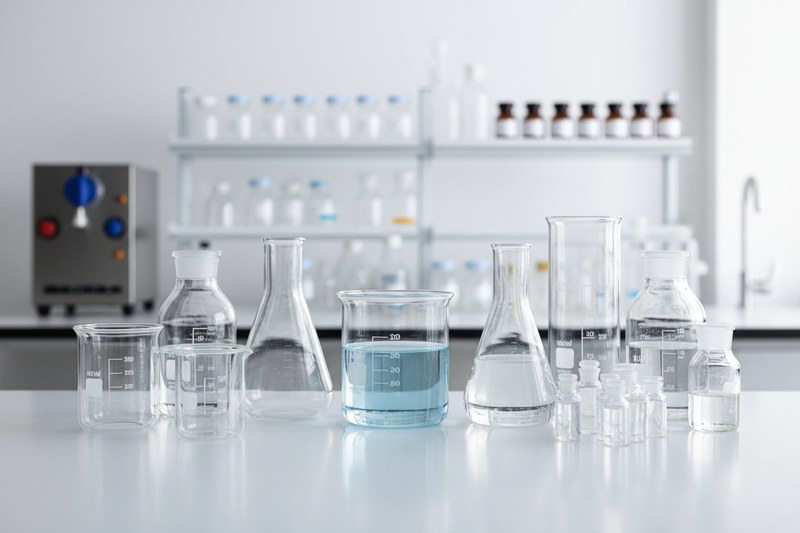
Practical handling begins with an accurate reading of the product identity and physical form. The three steps below describe a repeatable approach for High-Purity HCl in an industrial receiving environment. They are intended as general guidance and sit alongside the material documentation used at each site.
Verify that tanks, lines and seals are suitable for High-Purity HCl before transfer begins. The receiving area should be prepared for the physical form described in the specification table.
Manage temperature, ventilation and exposure according to the material's physical form and reactivity. For High-Purity HCl, closed transfer and defined dosing limits support stable operation.
Record identification data and shipment documents at receiving inspection. Traceability linked to High-Purity HCl helps technical teams resolve process questions efficiently.
High-Purity HCl is selected for processes where its chemistry and physical form match the operating requirement. The applications below reflect the main downstream routes represented in the SP Chemicals portfolio. Each route places different emphasis on identification data, handling and documentation.
Used in cleaning steps where solution purity is part of the process requirement.
Applied in acid-catalyzed reactions and pH adjustment.
Used in pickling and surface preparation under controlled conditions.
Delivery planning for High-Purity HCl starts from its physical form and the compatibility of the receiving system. Containers and documents are selected to keep identification clear from dispatch through inspection. The outline below describes the three stages that buyers usually manage with the sales desk.
High-Purity HCl moves in containers selected for its physical form. Shipments are secured against movement and accompanied by identification documents.
Storage areas are arranged around the material's compatibility and stability requirements. Solid grades are kept dry and liquid or gaseous forms use suitable containment.
Receiving teams verify container condition and documentation before use. Recorded batch identity supports later quality review.
Materials in the same portfolio are often evaluated together because they share feedstocks, processes or application areas. The three related models below are the nearest neighbors to High-Purity HCl in the product list. Opening them provides the same specification and application structure.
Each product has three notes covering process control, value chain context and supply planning. These short articles connect High-Purity HCl to practical questions raised by technical and procurement teams. All three lines are linked below.
SP Chemicals supports inquiries about product documentation, specifications and shipment planning across the full portfolio. Our sales desk works directly with technical and procurement teams to align product choice with the intended process. Reach Evelyn Zhang through the channels listed below.