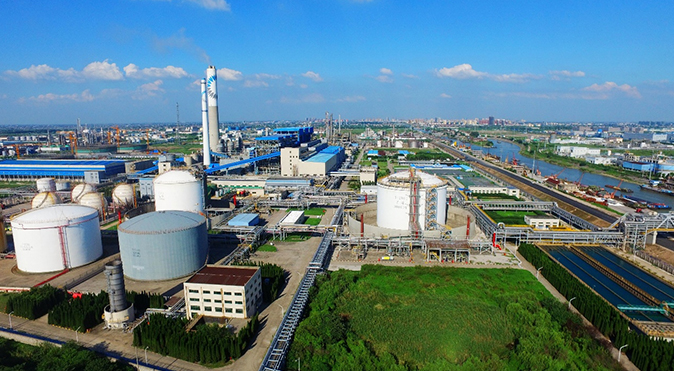
SP Chemicals organizes its portfolio around chlor-alkali, vinyl, olefin, polymer and acid value chains. This structure allows technical teams to examine how raw materials, intermediates and finished products connect in practical use. Our product information is presented with identifiable chemistry and clear application context.
Quality work begins with defined material identity and continues through controlled handling and shipment documentation. Each product page lists formula, CAS number where assigned, molecular weight and physical form so engineers can screen materials quickly. Application descriptions focus on the process role of each product rather than generic claims.
The sales desk supports buyers evaluating multiple products from the same value chain. Technical and commercial questions can be raised together through a single contact point. This approach reduces the gap between product selection and downstream planning.
Our product range is grouped into four working segments that reflect how customers specify and use industrial chemicals. Each segment includes multiple materials with distinct functions and handling practices. The grouping helps buyers move from a broad search to a specific product page.
Caustic soda, liquid chlorine, hydrogen and sodium hypochlorite form the chlor-alkali core. These products share a common electrolytic origin and serve water treatment, pulp, alumina and disinfection markets. Coordinated production supports consistent planning across the group.
Ethylene, EDC, VCM, PVC, polystyrene, ABS and MS resin cover the polymer chain from feedstock to finished resin. Each material has a distinct role in compounding and conversion. Technical selection starts from the processing route and the required end-use properties.
Propylene, mixed C4, cracked C5+, styrene and toluene support a wide range of downstream syntheses. Their value lies in reactive sites that enable further conversion. Analytical control helps align each fraction with its intended process.
Hydrochloric acid grades, sulfuric acid, sodium sulfate, ammonium sulfate and recovered acid streams support neutralization, cleaning and fertilizer programs. Material choice depends on strength, impurity expectations and equipment compatibility. Documentation accompanies each product group.
SP Chemicals supplies twenty-four product lines spanning feedstocks, intermediates, resins, acids and salts. Every product has a dedicated page with specifications, handling guidance, applications and related technical notes. Use the comparison page to review molecular data side by side before opening an individual product.
A high-strength inorganic base used across pulp, alumina and water treatment.
The direct monomer feedstock for polyvinyl chloride resin production.
The smallest olefin and a foundational building block for polyolefins and petrochemicals.
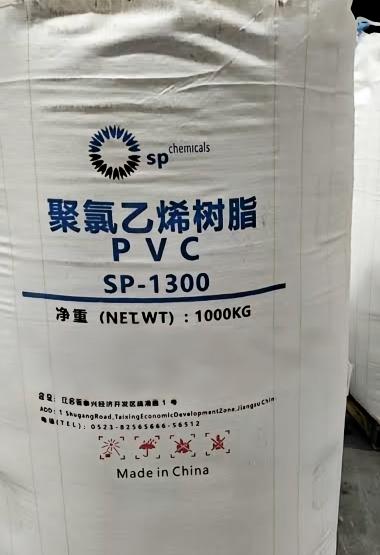
A versatile thermoplastic produced from vinyl chloride monomer.
A chlor-alkali co-product handled as a liquefied gas for industrial oxidation and disinfection.
A styrenic thermoplastic supplied as general-purpose and impact-modified grades.
An aromatic monomer used to produce polystyrene and copolymer systems.
A three-carbon olefin used in polypropylene, oxo-alcohols and acrylonitrile chains.
A three-component engineering thermoplastic balancing stiffness and toughness.
A chlorinated hydrocarbon used primarily as the immediate precursor to vcm.
An aqueous hydrochloric acid grade intended for controlled industrial processes.
An aromatic hydrocarbon used as a solvent and as a chemical feedstock.
A general-purpose mineral acid for water treatment, pickling and process ph control.
A nitrogen and sulfur fertilizer salt with established agronomic use.
A transparent styrenic copolymer combining styrene with methyl methacrylate.
A liquid oxidizing agent produced from chlorine and caustic soda for disinfection.
An acid stream recovered from incineration off-gas treatment systems.
The decahydrate form of sodium sulfate used in detergent, textile and glass processes.
A hydrocarbon fraction rich in four-carbon olefins and paraffins.
A chlor-alkali co-product used in refining, ammonia synthesis and energy applications.
A pyrolysis-derived hydrocarbon fraction containing c5 and heavier components.
A residual liquid fuel used for industrial heat and steam generation.
The lightest hydrocarbon, used as a fuel and as a feedstock for synthesis gas.
An aqueous sulfuric acid solution used in neutralization, regeneration and metal treatment.
The four products below anchor the core SP Chemicals portfolio. Their molecular identities are listed directly so procurement and technical teams can match them against internal material lists. Full specifications and application context appear on each dedicated product page.
CAS 1310-73-2 Molecular weight 40.00 g/mol. Used in pulp digestion, alumina refining and water treatment.
CAS 74-85-1 Molecular weight 28.05 g/mol. Feedstock for polyethylene, ethylene oxide and EDC.
CAS 75-01-4 Molecular weight 62.50 g/mol. Directly polymerized into PVC resin.
CAS 9002-86-2 Thermoplastic resin used in pipe, profile, cable and film compounds.
CAS 1333-74-0 Molecular weight 2.016 g/mol. Chlor-alkali co-product used in refining and ammonia synthesis.
SP Chemicals products appear in water treatment, vinyl manufacturing and polymer compounding among other industrial processes. Application selection depends on chemistry, physical form and the conditions of the receiving process. The examples below show how several products work together inside a single operating area.
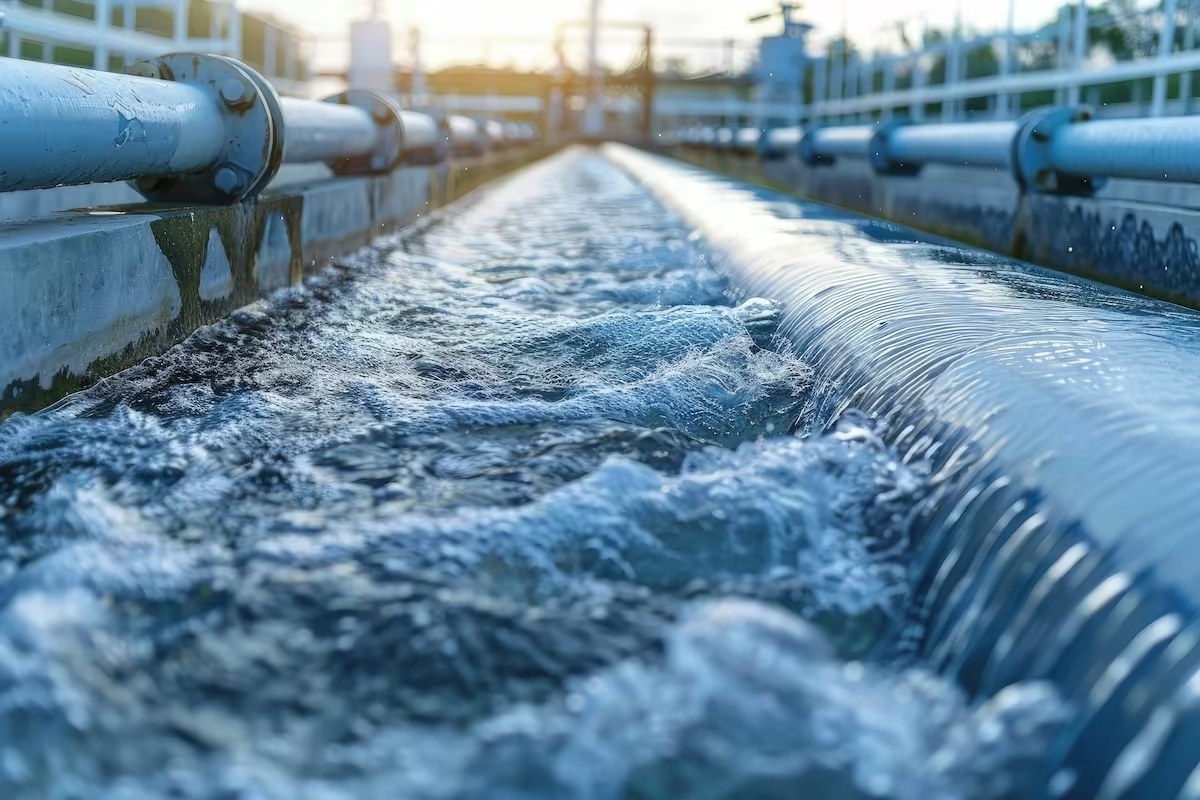
Caustic soda, chlorine, sodium hypochlorite and acid grades are used across pH control, disinfection and regeneration. Each function calls for a different dosing strategy. The portfolio covers both alkaline and acidic treatment chemicals.
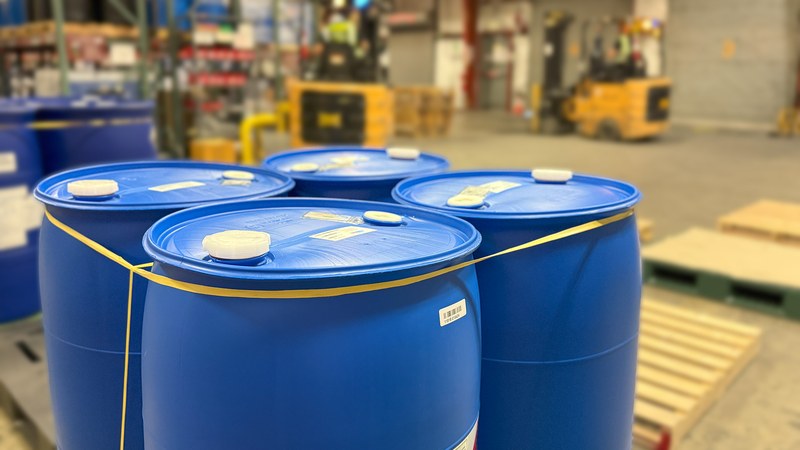
Ethylene, EDC, VCM and PVC form a connected chain from olefin feedstock to resin. Process teams evaluate quality at each conversion stage. Integrated planning helps maintain continuity between these steps.
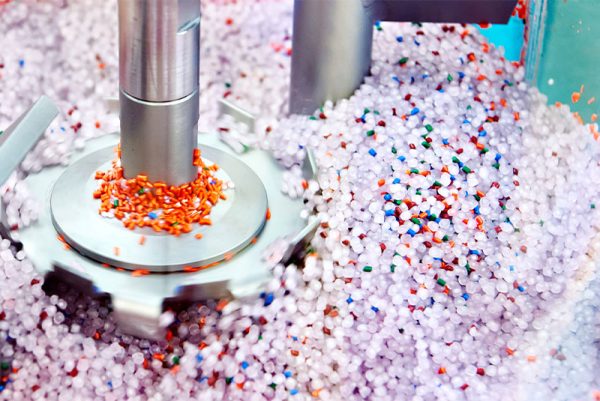
PVC, polystyrene, ABS and MS resin serve compounders producing rigid and flexible materials. Selection depends on impact, clarity and chemical resistance requirements. Styrene and other monomers connect these polymers to upstream aromatic supply.
The path from raw material to delivered product involves several controlled steps. Each step has a distinct documentation and handling requirement that influences product consistency. The outline below summarizes how SP Chemicals approaches that path across the portfolio.
Olefin, aromatic and brine streams are selected according to the target product family and the downstream process route.
Chlor-alkali, cracking and polymerization steps transform feedstocks into caustic, monomers, resins and acid products.
Each product group is checked against its identification data and application requirements before release from the plant.
Compatible containers and documented shipments support safe transit and clear receiving inspection at the destination.
SP Chemicals supports inquiries about product documentation, specifications and shipment planning across the full portfolio. Our sales desk works directly with technical and procurement teams to align product choice with the intended process. Reach Evelyn Zhang through the channels listed below.