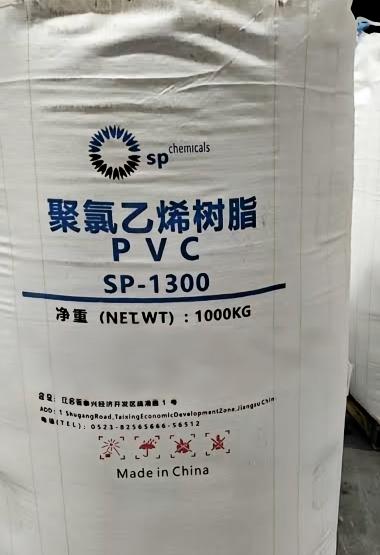
This table places every SP Chemicals product line in a single view for screening. Rows show the product name alongside formula, CAS number, molecular weight and physical form. Values are kept to identification data that can be checked directly against each product page.
Scroll horizontally to view all specification columns.
| Model | Formula | CAS | Molecular weight | Physical form |
|---|---|---|---|---|
| Caustic Soda | NaOH | 1310-73-2 | 40.00 g/mol | Solid and aqueous solution |
| Vinyl Chloride Monomer | C2H3Cl | 75-01-4 | 62.50 g/mol | Liquefied gas |
| Ethylene | C2H4 | 74-85-1 | 28.05 g/mol | Gas |
| Polyvinyl Chloride | (C2H3Cl)n | 9002-86-2 | Polymer | Solid resin |
| Liquid Chlorine | Cl2 | 7782-50-5 | 70.90 g/mol | Liquefied gas |
| Polystyrene | (C8H8)n | 9003-53-6 | Polymer | Solid resin |
| Styrene Monomer | C8H8 | 100-42-5 | 104.15 g/mol | Liquid |
| Propylene | C3H6 | 115-07-1 | 42.08 g/mol | Liquefied gas |
| ABS Resin | (C8H8)x(C4H6)y(C3H3N)z | 9003-56-9 | Polymer | Solid resin |
| 1,2-Dichloroethane | C2H4Cl2 | 107-06-2 | 98.96 g/mol | Liquid |
| High-Purity HCl | HCl (aq) | 7647-01-0 | 36.46 g/mol | Aqueous solution |
| Toluene | C7H8 | 108-88-3 | 92.14 g/mol | Liquid |
| Industrial HCl | HCl (aq) | 7647-01-0 | 36.46 g/mol | Aqueous solution |
| Ammonium Sulfate | (NH4)2SO4 | 7783-20-2 | 132.14 g/mol | Crystalline solid |
| MS Resin | Styrene-MMA copolymer | Not assigned | Copolymer | Solid resin |
| Sodium Hypochlorite | NaClO | 7681-52-9 | 74.44 g/mol | Aqueous solution |
| Recovered HCl | HCl (aq) | 7647-01-0 | 36.46 g/mol | Aqueous solution |
| Glauber's Salt | Na2SO4·10H2O | 7727-73-3 | 322.20 g/mol | Crystalline solid |
| Mixed C4 | C4 hydrocarbon fraction | Not assigned | Hydrocarbon mixture | Liquefied gas |
| Hydrogen | H2 | 1333-74-0 | 2.016 g/mol | Gas |
| Cracked C5+ | Pyrolysis C5+ fraction | Not assigned | Hydrocarbon mixture | Liquid |
| Fuel Oil | Residual hydrocarbon fuel | Not assigned | Hydrocarbon mixture | Liquid |
| Methane | CH4 | 74-82-8 | 16.04 g/mol | Gas |
| Dilute H2SO4 | H2SO4 (aq) | 7664-93-9 | 98.08 g/mol | Aqueous solution |
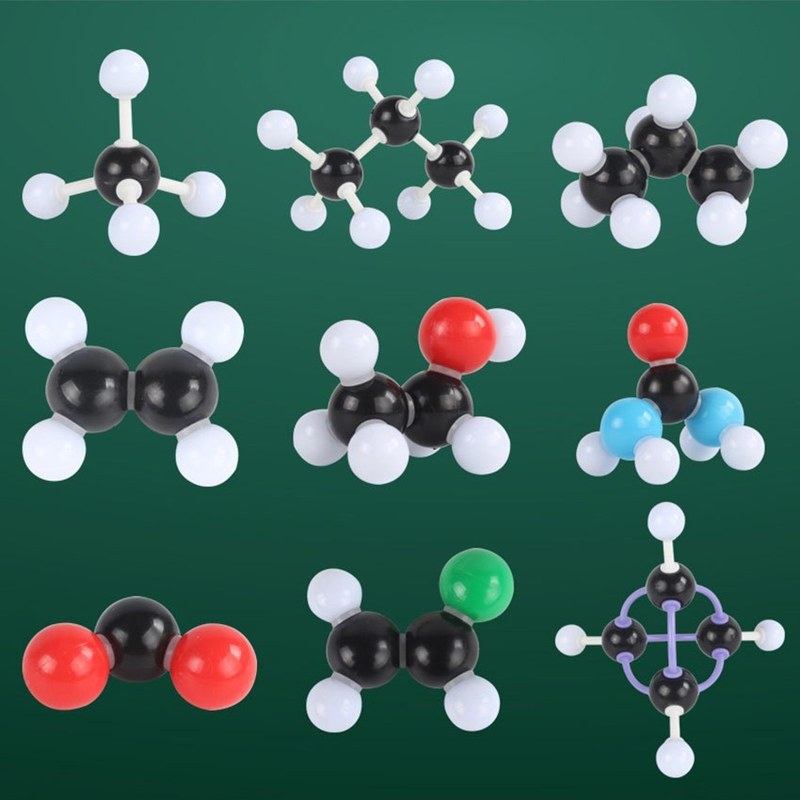
Some entries use a copolymer description or a fraction designation because no single CAS number applies. Those rows identify composition in place of a registry number. Product pages provide the corresponding application context.
Comparison starts with the chemistry and ends with the receiving system. Engineers should verify identity first, then match physical form to storage and transfer equipment. Application notes on each model page add the process perspective needed for a final decision.
Check the molecular identity and CAS number before comparing commercial names. Products with similar applications can have very different handling requirements. This first check narrows the list reliably.
Select physical form according to the receiving system and the way material enters the process. Solids, liquids and liquefied gases each bring different storage considerations. The application section on each product page explains the fit.
Receiving inspection works best when identification documents travel with the shipment. Record batch identity at arrival so later technical questions can be traced. The sales desk supports this documentation flow.
Every row in the comparison table links to a dedicated product page. Those pages carry differentiation notes, handling guidance, application descriptions and related technical articles. Buyers can move from a broad screen to a specific inquiry without losing the identification data.
The applications page groups the same products by process area for readers who start from a use case. The news center adds short technical and commercial notes for each line. Use the contact page to reach the sales desk with questions.
SP Chemicals supports inquiries about product documentation, specifications and shipment planning across the full portfolio. Our sales desk works directly with technical and procurement teams to align product choice with the intended process. Reach Evelyn Zhang through the channels listed below.