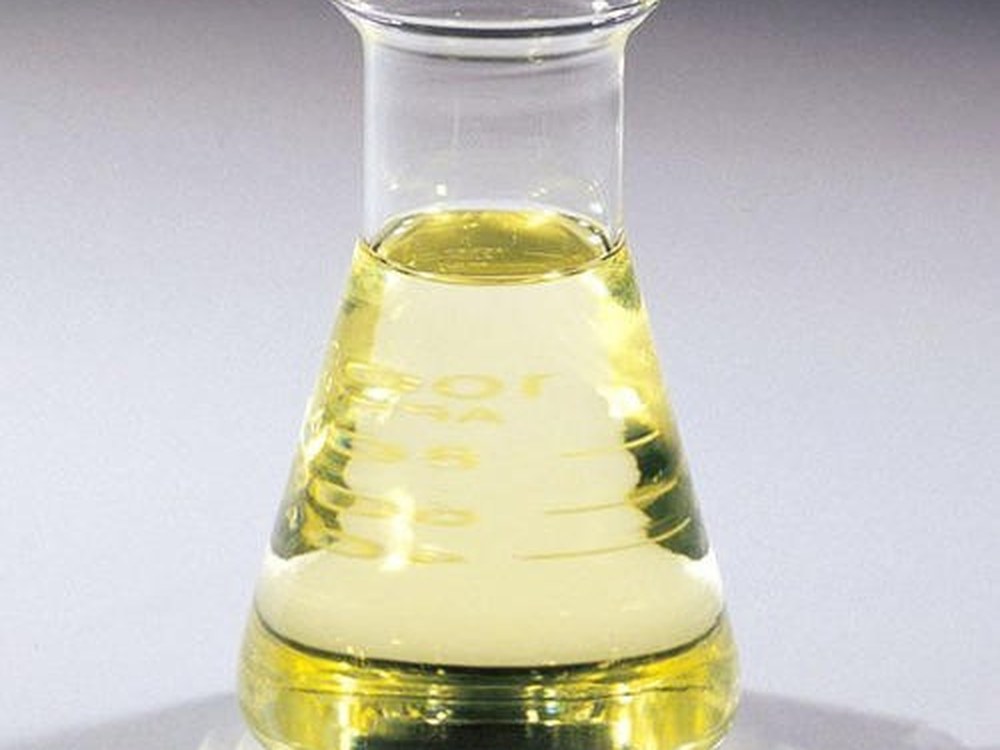
Liquid Chlorine is a chlor-alkali co-product handled as a liquefied gas for industrial oxidation and disinfection. Within the SP Chemicals range it is classified under Chlor-Alkali and identified by the formula Cl2. The product is intended for industrial users working in controlled chlorine dosing.
Its role in downstream operations is defined by controlled chlorine dosing. Buyers usually review physical form and identification data together because both influence storage and process design. This page presents those details alongside practical application guidance.
The information below is organized so engineers can first verify identity, then examine differentiation, handling and delivery. Related models and technical notes are linked at the end of the page. Contact details for the sales desk remain available throughout the site.

Friendly reminder: We accept payments via VTB and Bank of Kunlun accounts.
Identification data provides the fastest way to verify that a material matches an internal specification. The table lists the assigned CAS number, formula, molecular weight and physical form where applicable. Additional application context follows in the adjacent list.
| Product name | Liquid Chlorine / Chlorine (Cl2) |
| Molecular formula | Cl2 |
| CAS number | 7782-50-5 |
| Molecular weight | 70.90 g/mol |
| Physical form | Liquefied gas |
| Physical data | Boiling point -34.0 C |
A chlor-alkali co-product handled as a liquefied gas for industrial oxidation and disinfection.
A chlor-alkali co-product handled as a liquefied gas for industrial oxidation and disinfection.
A chlor-alkali co-product handled as a liquefied gas for industrial oxidation and disinfection.
Chlorine is generated in the same electrolytic process that produces caustic soda and hydrogen. Its logistical model differs from liquid and solid products because the material is moved in pressure-rated containers. Coordinated scheduling between the co-products supports stable plant operations.
Selection of Liquid Chlorine therefore starts from the operating context rather than the product name alone. The points above describe why the material is grouped with its neighboring products in the SP Chemicals portfolio. Reviewing the comparison table helps place it against the other twenty-three lines.
Technical questions about fit, documentation or shipment planning can be raised through the sales desk. The same contact point covers the related products listed below.
Practical handling begins with an accurate reading of the product identity and physical form. The three steps below describe a repeatable approach for Liquid Chlorine in an industrial receiving environment. They are intended as general guidance and sit alongside the material documentation used at each site.
Verify that tanks, lines and seals are suitable for Liquid Chlorine before transfer begins. The receiving area should be prepared for the physical form described in the specification table.
Manage temperature, ventilation and exposure according to the material's physical form and reactivity. For Liquid Chlorine, closed transfer and defined dosing limits support stable operation.
Record identification data and shipment documents at receiving inspection. Traceability linked to Liquid Chlorine helps technical teams resolve process questions efficiently.
Liquid Chlorine is selected for processes where its chemistry and physical form match the operating requirement. The applications below reflect the main downstream routes represented in the SP Chemicals portfolio. Each route places different emphasis on identification data, handling and documentation.
Applied in municipal and industrial water treatment for microbial control.
Used in pulp and textile bleaching sequences under controlled dosing.
Feeds chlorination reactions for intermediate and polymer production.
Delivery planning for Liquid Chlorine starts from its physical form and the compatibility of the receiving system. Containers and documents are selected to keep identification clear from dispatch through inspection. The outline below describes the three stages that buyers usually manage with the sales desk.
Liquid Chlorine moves in containers selected for its physical form. Shipments are secured against movement and accompanied by identification documents.
Storage areas are arranged around the material's compatibility and stability requirements. Solid grades are kept dry and liquid or gaseous forms use suitable containment.
Receiving teams verify container condition and documentation before use. Recorded batch identity supports later quality review.
Materials in the same portfolio are often evaluated together because they share feedstocks, processes or application areas. The three related models below are the nearest neighbors to Liquid Chlorine in the product list. Opening them provides the same specification and application structure.
Each product has three notes covering process control, value chain context and supply planning. These short articles connect Liquid Chlorine to practical questions raised by technical and procurement teams. All three lines are linked below.
SP Chemicals supports inquiries about product documentation, specifications and shipment planning across the full portfolio. Our sales desk works directly with technical and procurement teams to align product choice with the intended process. Reach Evelyn Zhang through the channels listed below.